

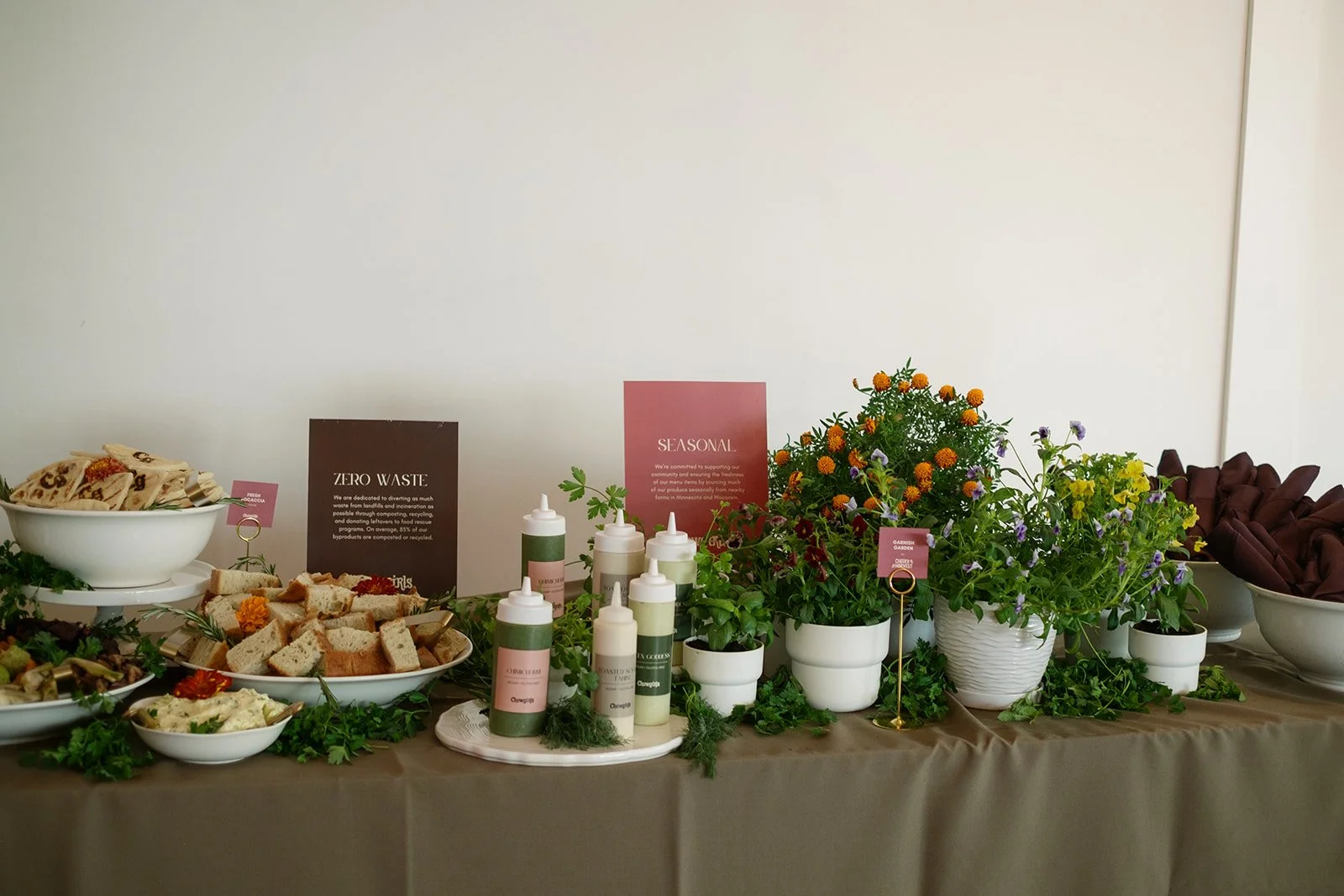
Build Your Own Wellness Bowls by Chowgirls feature interactive garnish garden!
The story behind a menu designed for connection, creativity, and sustainability.
Cultivate 2026 was co-designed with Ashleyn Przedwiecki of LUUM Collective and Annie Pennings Edmond, the Event Design & Sustainability Manager at Chowgirls Catering.
As we began to craft the feel and design of the event, the theme unfolded organically.
It all began after attending a food waste painting workshop hosted by Chowgirls and Gifting Grove, featuring artist Lara Cornell. We spent the afternoon creating watercolor paints from ingredients like beets, red cabbage, onion skins, and avocado pits. There was something so unexpected and beautiful about transforming everyday food scraps into art, and that experience stayed with us.
As we started dreaming about the event, we kept coming back to that feeling of curiosity and discovery. We asked ourselves: What if this wasn't just an educational summit? What if it felt like walking through an art museum, a place that invites you to slow down, notice the details, and experience sustainability with all of your senses?
From there, everything seemed to fall into place. We designed a gallery where guests could explore thought-provoking installations, created a cozy cafe for conversation and connection, incorporated a hands-on painting experience, and intentionally left space for people to wander, discover, and engage at their own pace rather than rushing from session to session.
Every design decision reflected our values. We sourced everything locally and seasonally whenever possible, prioritized reusable materials, and looked for ways to make sustainability feel inspiring, creative, and joyful.
Let's dive into all the details, starting with menu design!
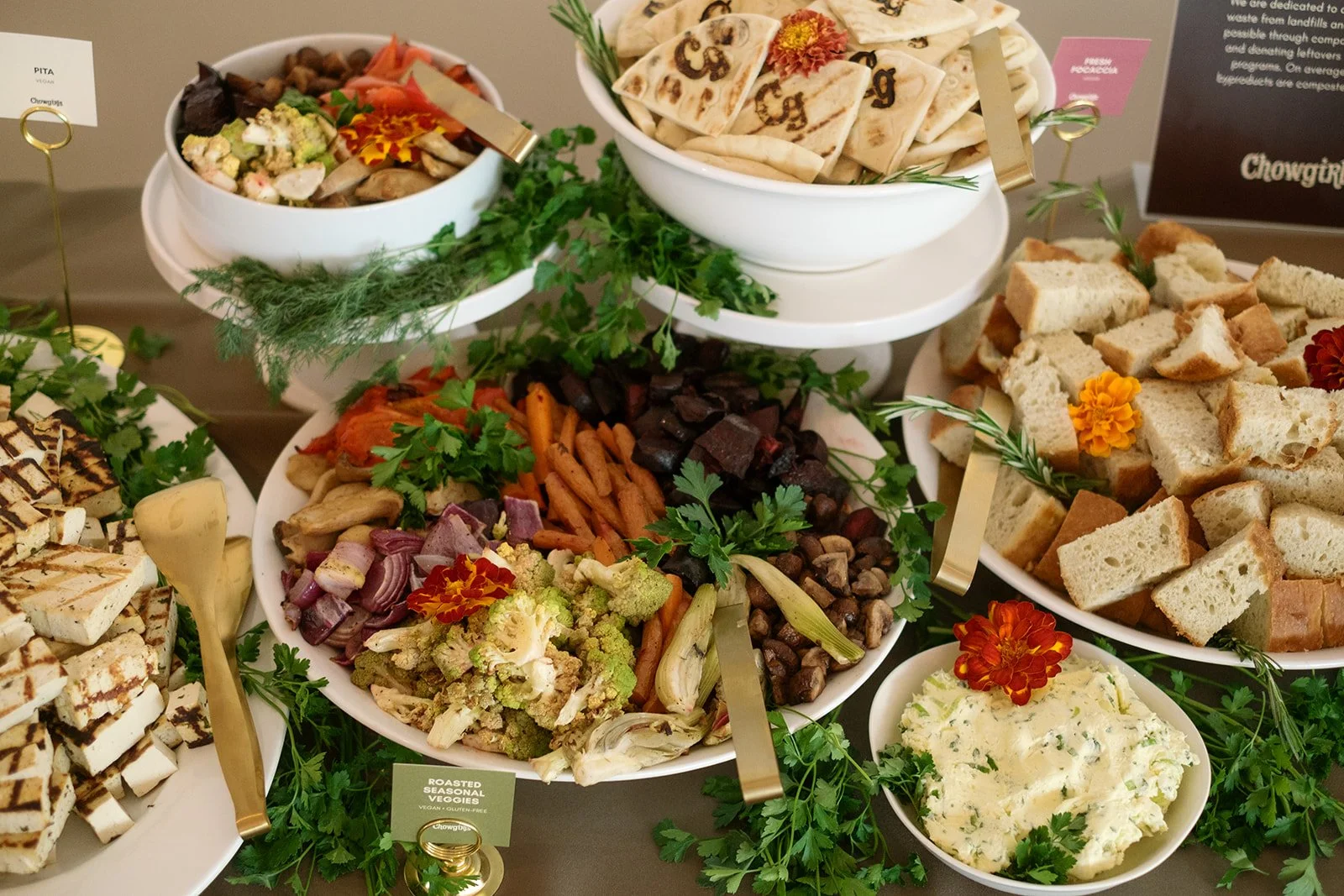
Can you share more about the design process and inspiration behind the food and beverage at Cultivate:
Annie Pennings Edmond: When we started designing the lunch experience, we knew we had a few important goals. We wanted something that could easily accommodate a wide range of dietary needs, work well as a self-serve buffet, and still feel beautiful and intentional.
Just as importantly, we wanted the meal to feel approachable and nourishing. Since this was a networking event, we also thought about what people actually enjoy eating while making conversation. As delicious as tacos or sandwiches can be, they're not always the easiest (or most graceful!) foods to eat while meeting new people.
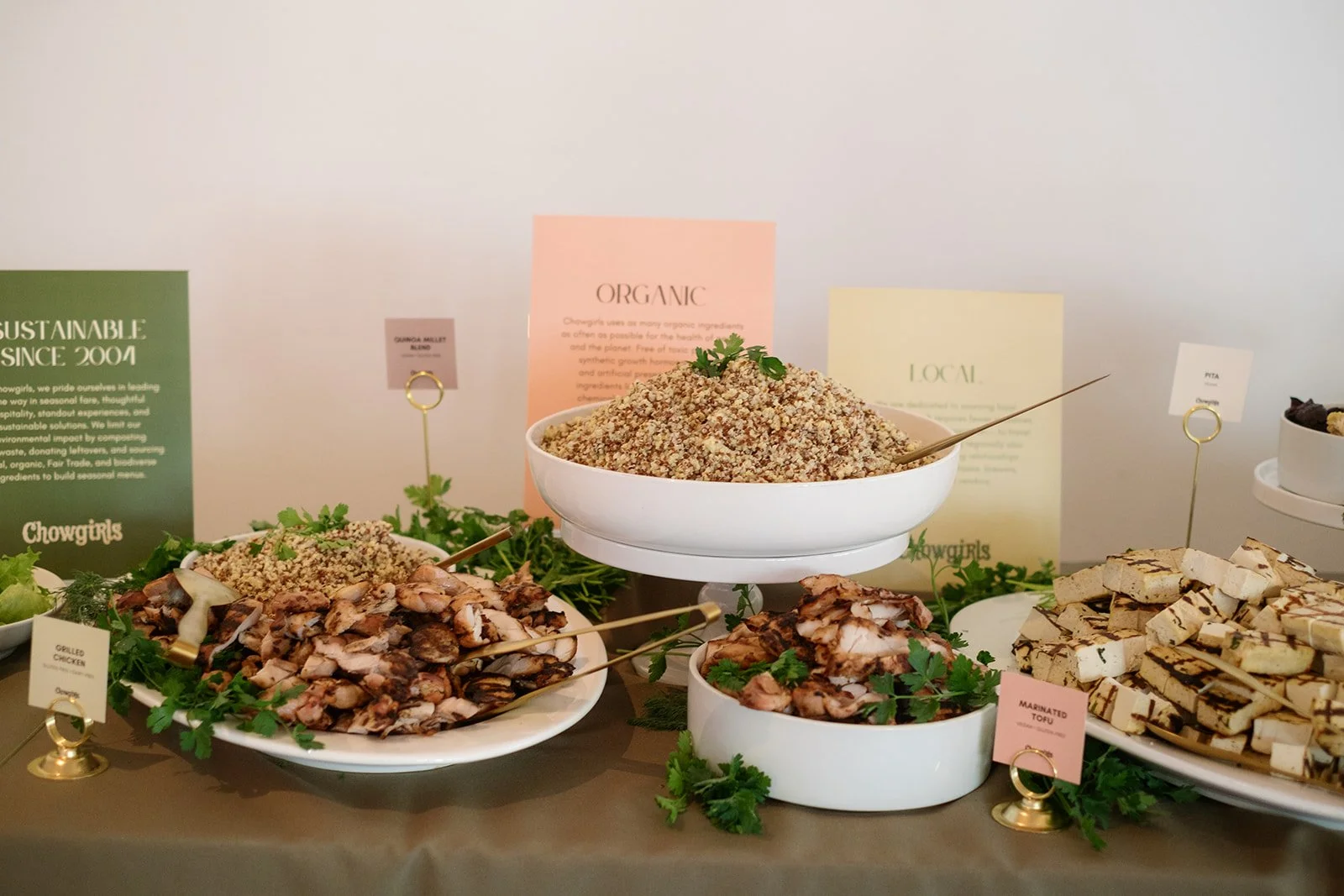
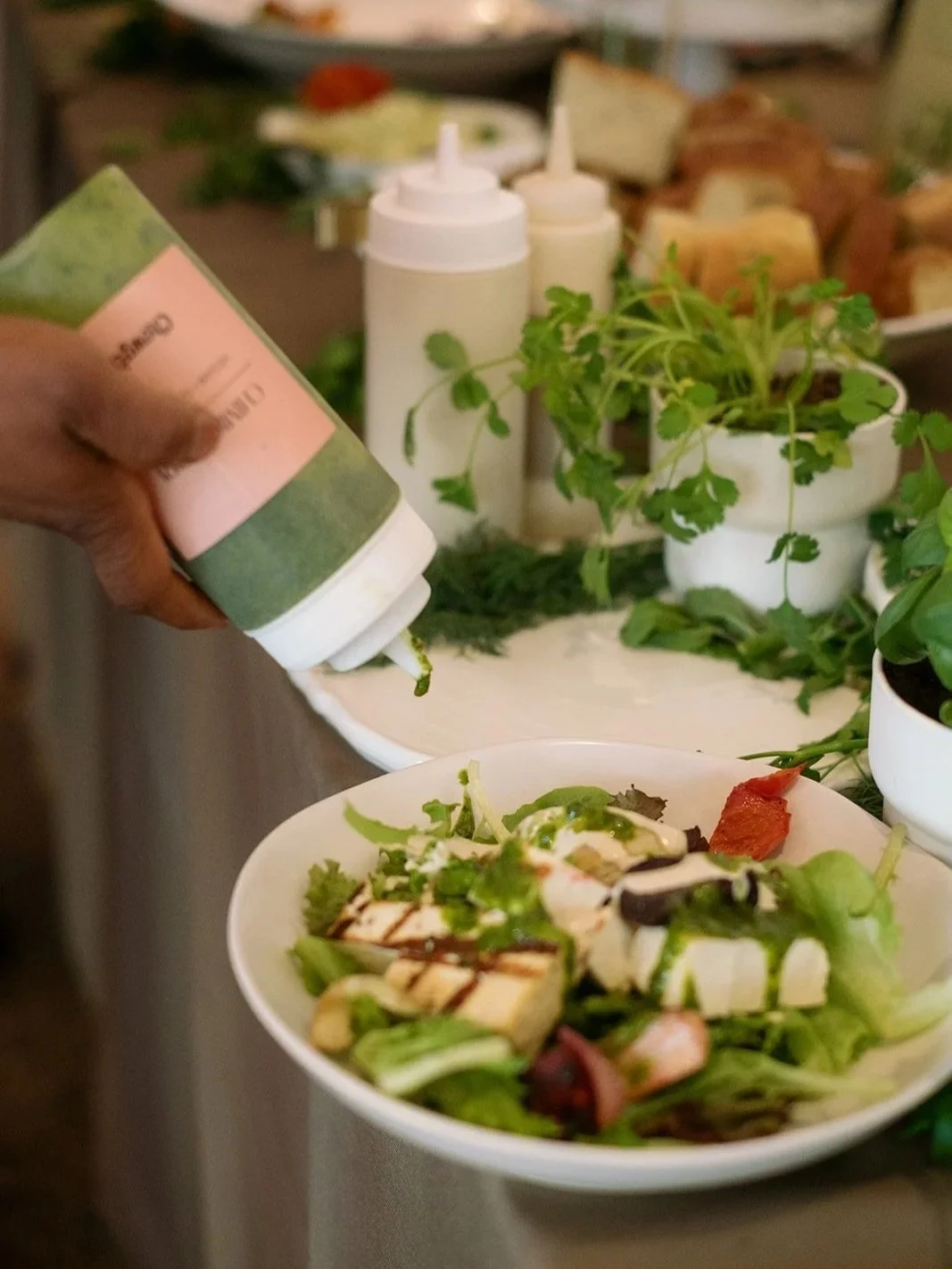
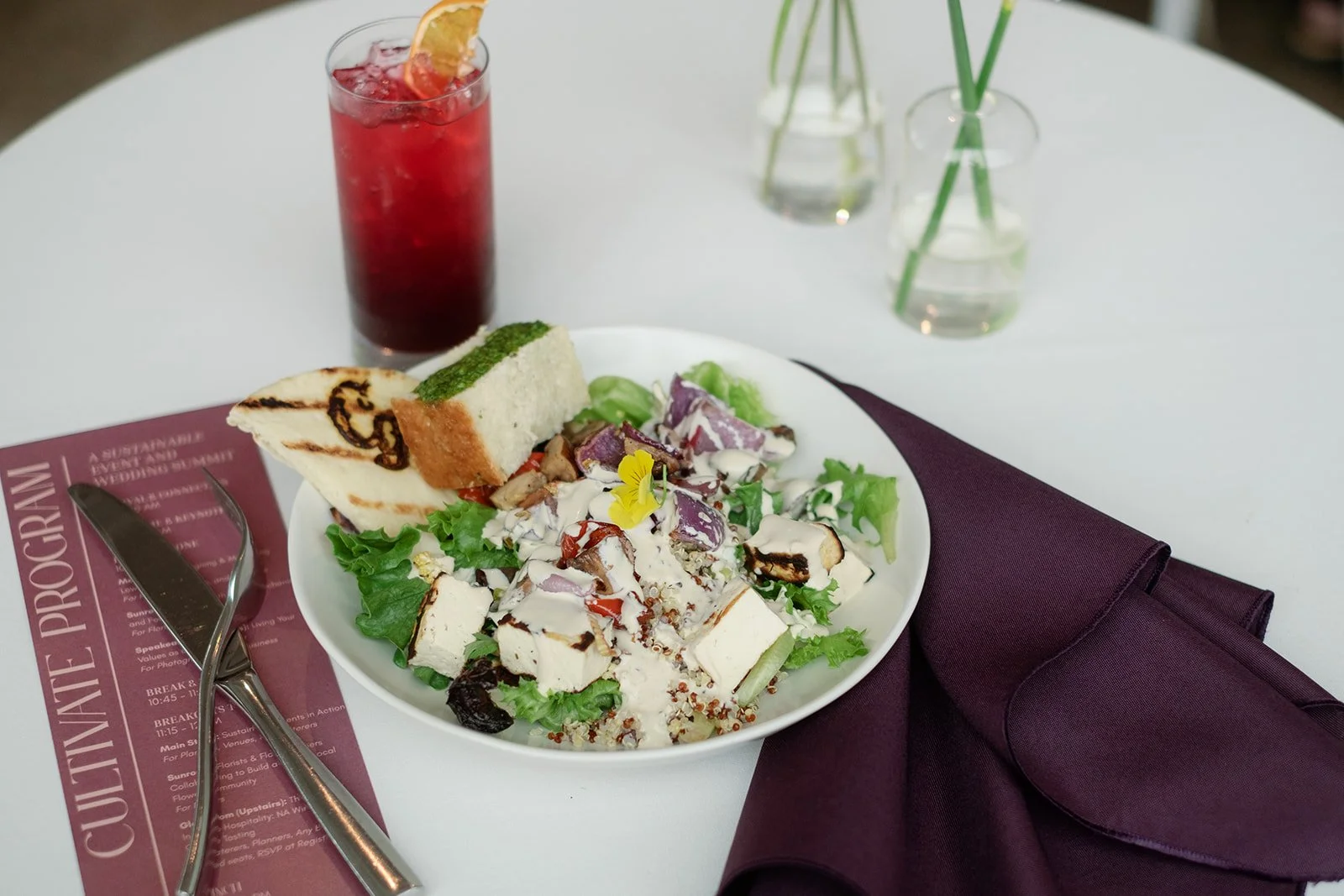
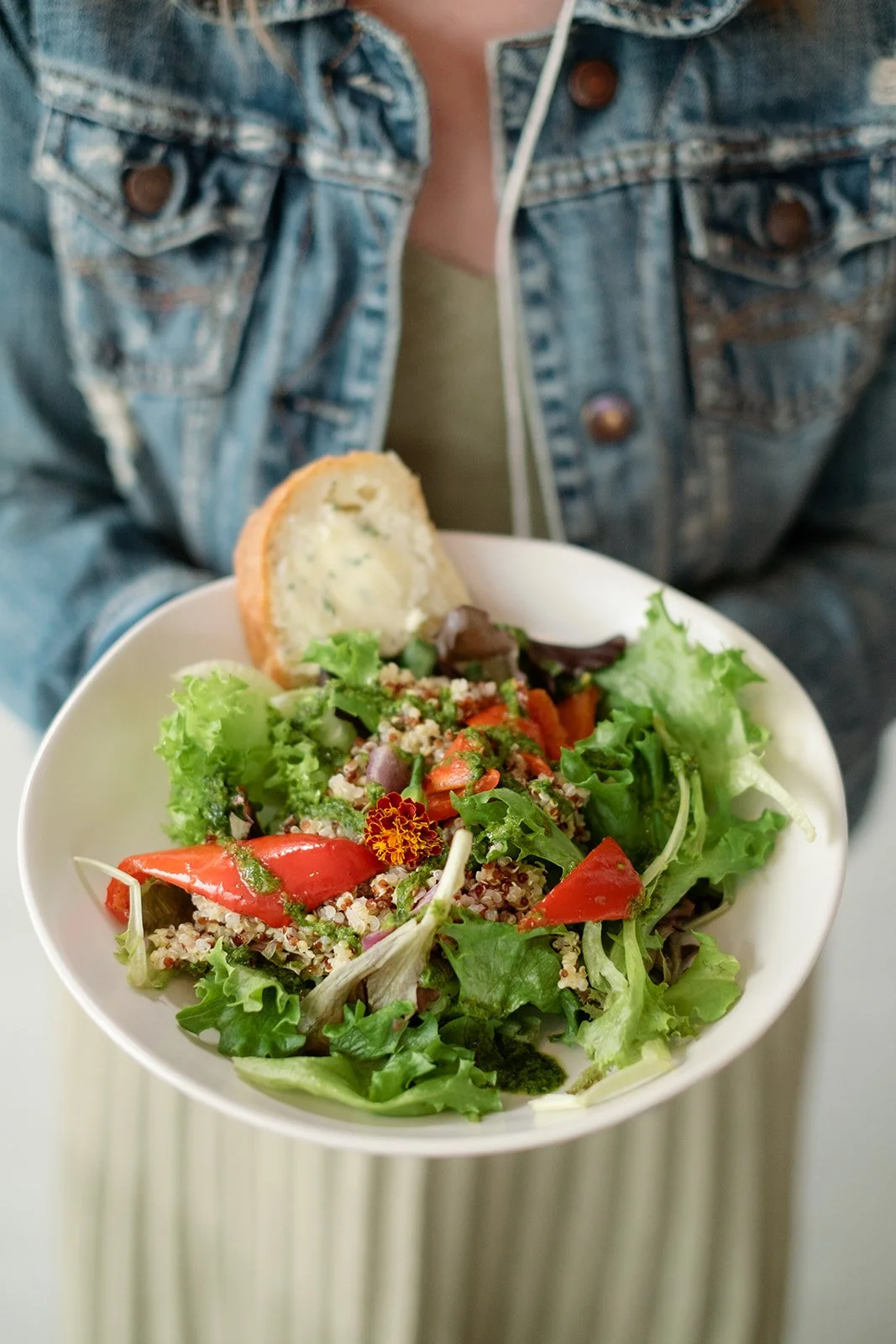
That led us to the idea of a grain bowl bar. We loved the familiarity of a build-your-own salad, but wanted something more substantial, so we layered in hearty grains, seasonal vegetables, and protein to create a meal that was satisfying, customizable, and accessible for everyone.
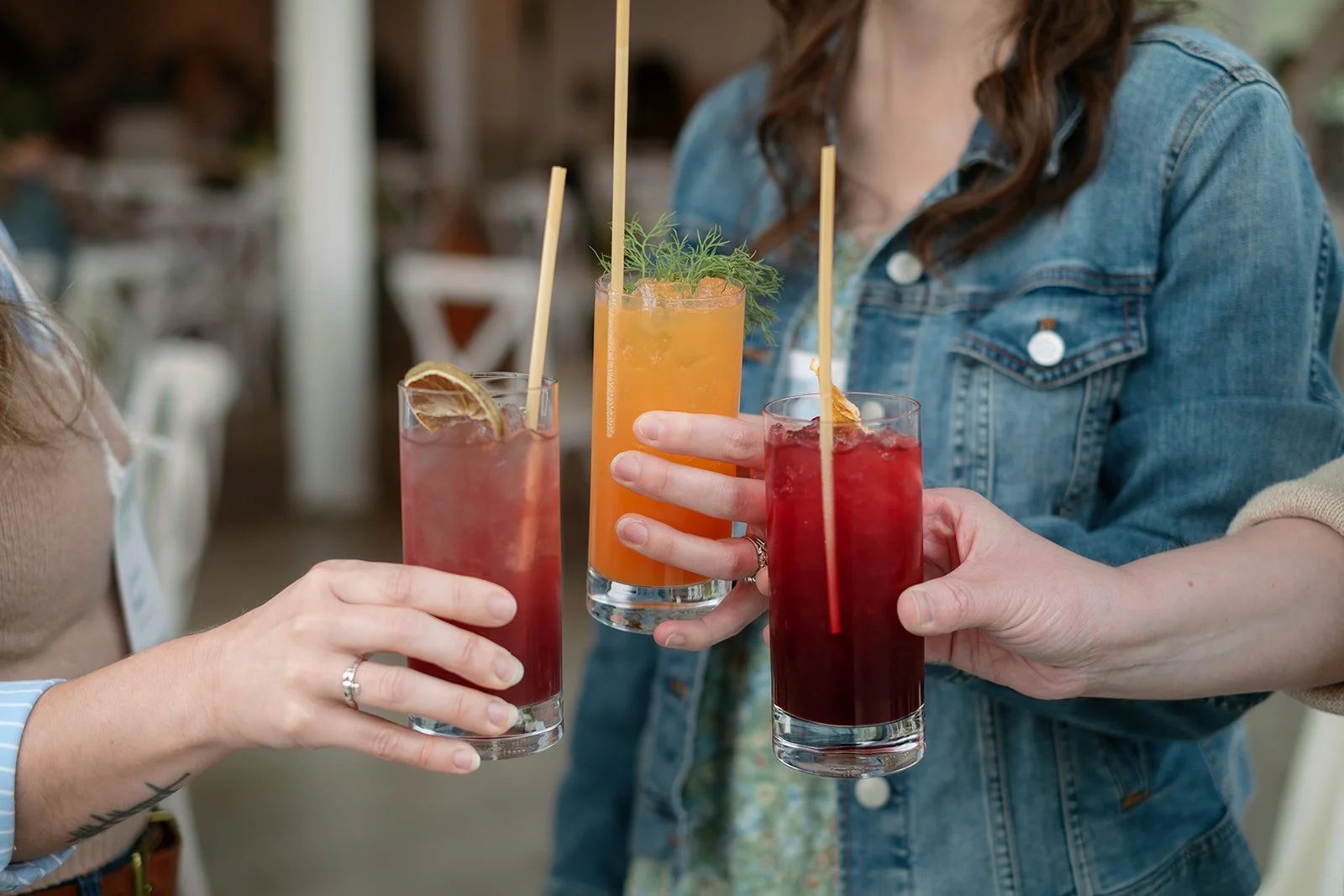
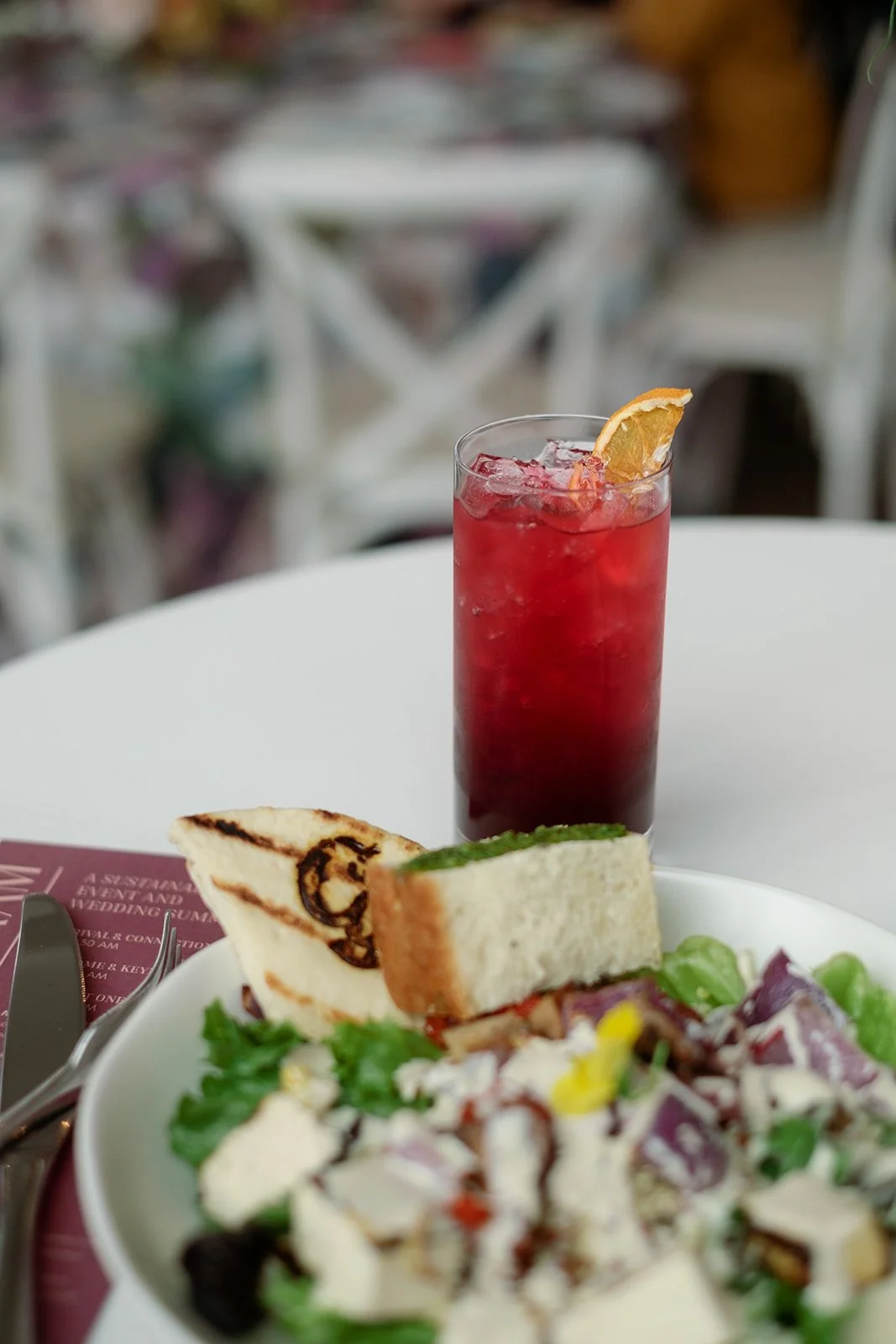
As with many of my designs, I start with color and ingredients! This also translated into the drinks where we wanted to inspire guests to see how elevated a healthy mocktail could be, using sustainable ingredients and colorful garnish to match the event color pallette.
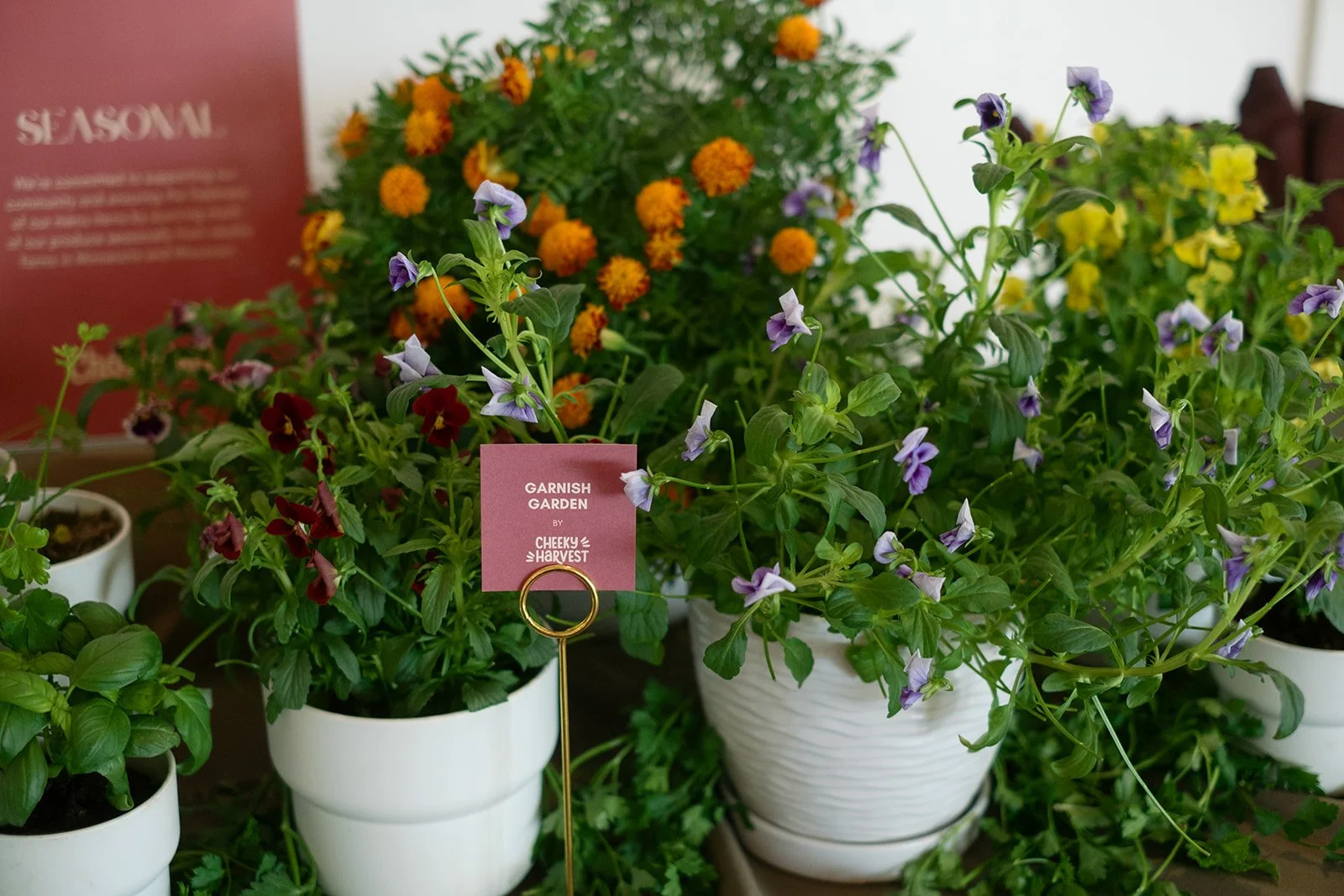
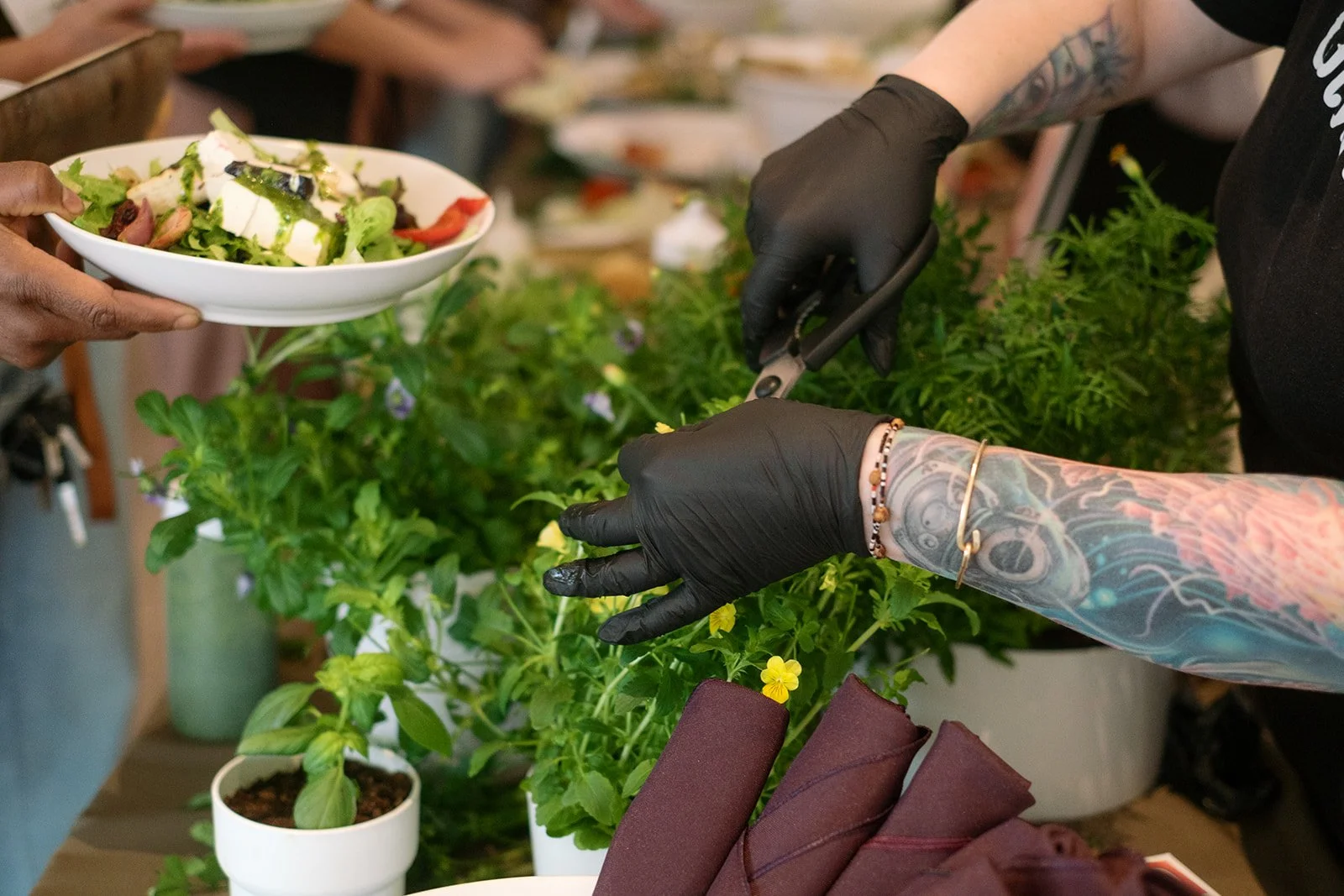
Of course, we couldn't resist adding one memorable surprise. We dreamed up a live garnish garden where guests could wander through and choose an edible flower to finish their bowl. It became one of those small details that invited people to slow down, interact with their food, and create something uniquely their own. It was playful, beautiful, and quickly became one of the most Instagrammable moments of the day.

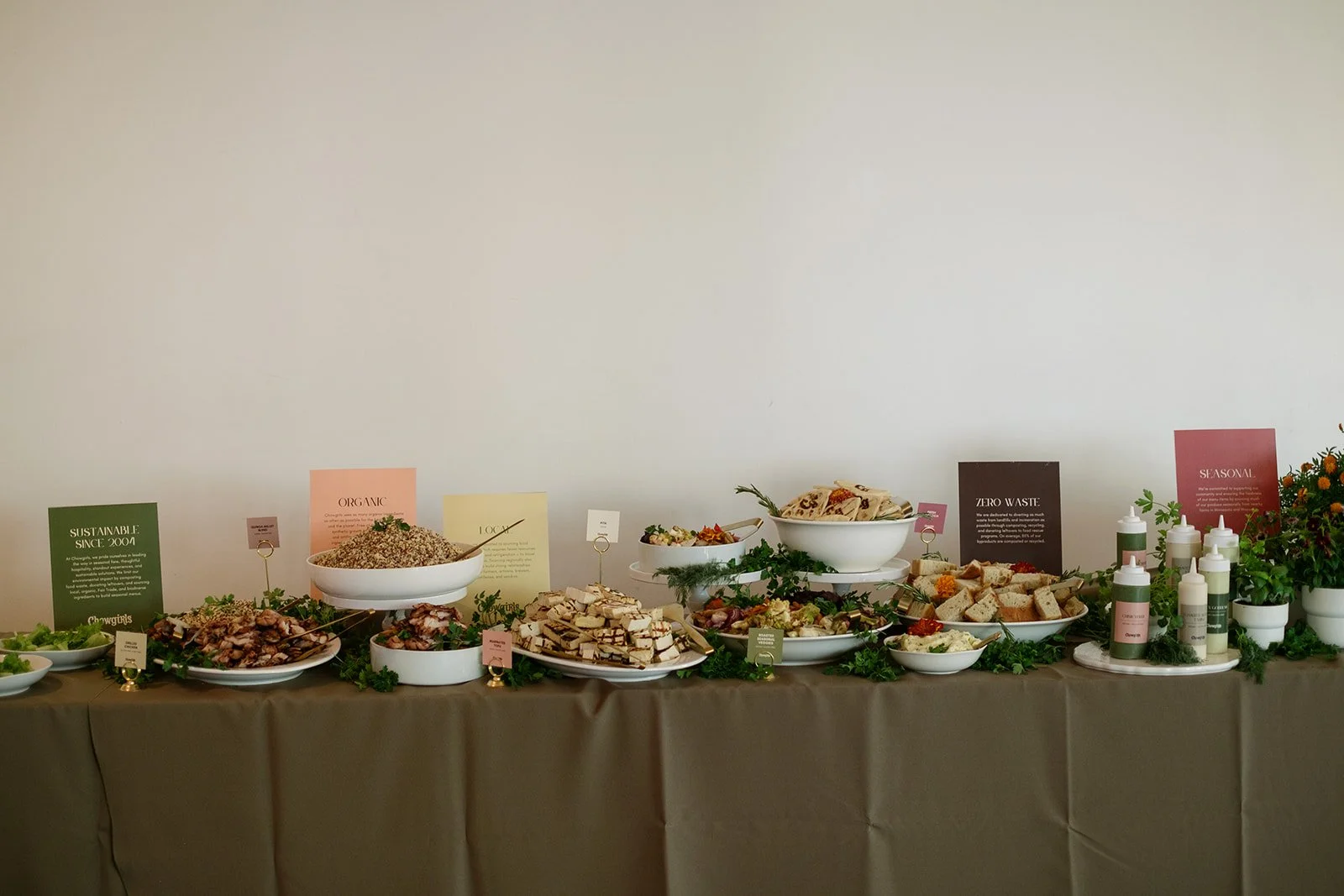
How did you bring sustainability into your design process?
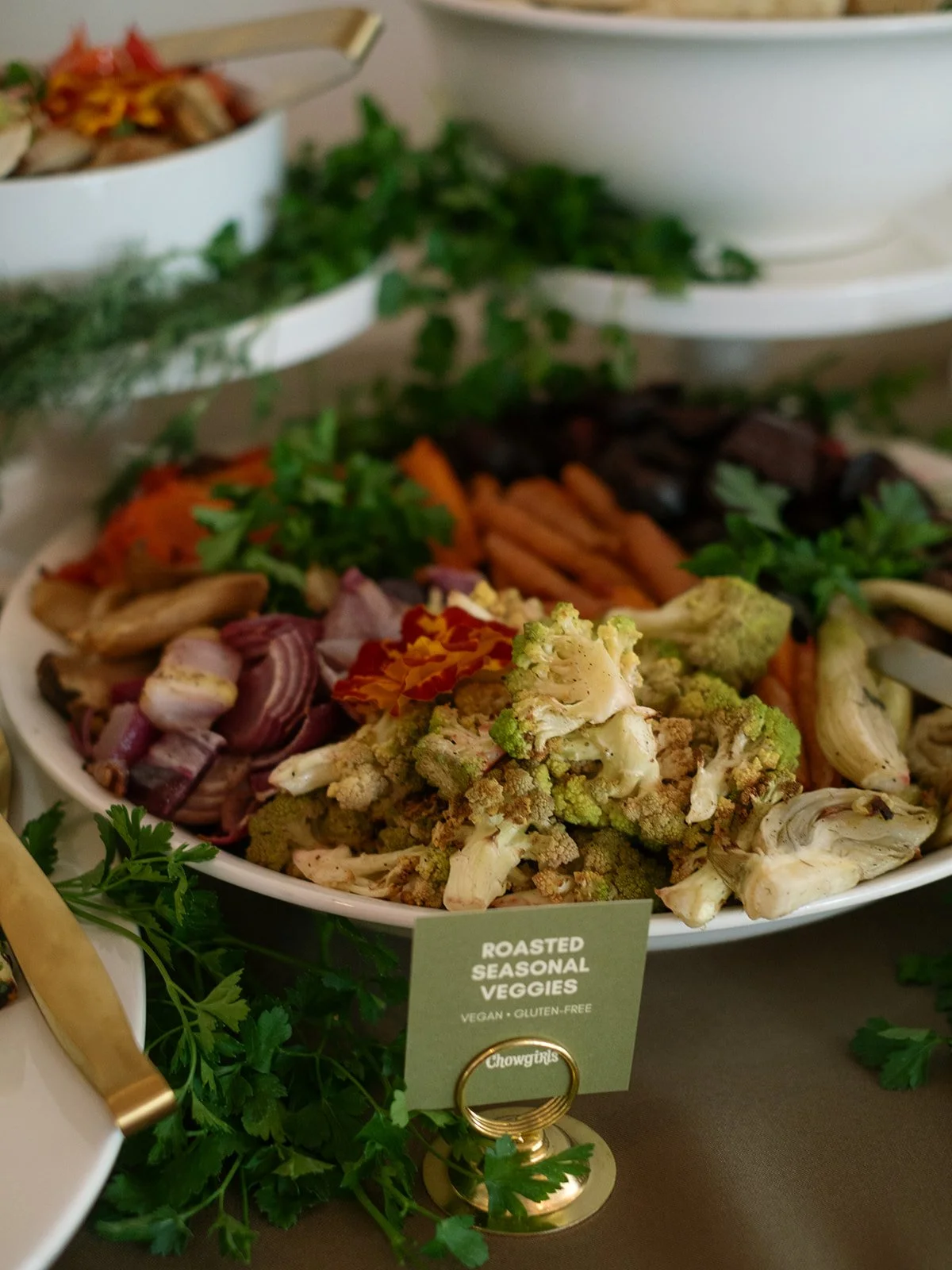
Annie: For the menu, we intentionally leaned into a vegetable-forward design. Rather than centering the experience around meat, we created vibrant grain bowls filled with seasonal roasted vegetables, whole grains, and plant-forward proteins, with just a small amount of white meat available as an option. We also kept dairy to a minimum, using it in only one of the sauces.
[ At Chowgirls ], we always prioritize sourcing local and organic ingredients whenever possible, but for this event, we also designed the menu around what available seasonally when it came to the vegetables for the wellness bowls. Allowing the seasons to guide the menu meant we could showcase produce at its peak while supporting local growers.
Instead of creating entirely new sauces just for this event, we incorporated recipes already used across other areas of our menu. It may seem like a small detail, but it makes it much easier to repurpose leftovers and reduces food waste after the event.
We also chose to serve both food and beverages on real plates, bowls, glassware, and flatware instead of disposable or even compostable service ware. Reusables require a bit more planning, but they create a more elevated guest experience while eliminating a significant amount of single-use waste.
The same mindset carried over to our beverage program. Because we had already developed a cocktail menu for the evening before, we intentionally designed the daytime beverage menu to use many of the same overlapping ingredients. This allowed us to streamline prep, purchase ingredients more efficiently, and ensure fewer items went unused. It's one of our favorite examples of how sustainable design often leads to smarter, more efficient operations and not just less waste.
Share more about the Food and Beverage Sourcing and Materials:
Annie: One of our favorite details was the live garnish garden, created with one of our incredible vendor partners at Cheeky Harvest. They grow beautiful edible flowers year-round in their indoor growing space in St. Paul, allowing us to add a fresh, vibrant finishing touch to each wellness bowl while supporting a local producer. The garnish garden created an interactive and colorful component to the meal.
For guests who chose to add chicken to their bowl, we sourced it from Tree-Range Farms. Their organic, free-range practices were important to us because they prioritize animal welfare and raise chickens with access to the outdoors, allowing them to live as nature intended.
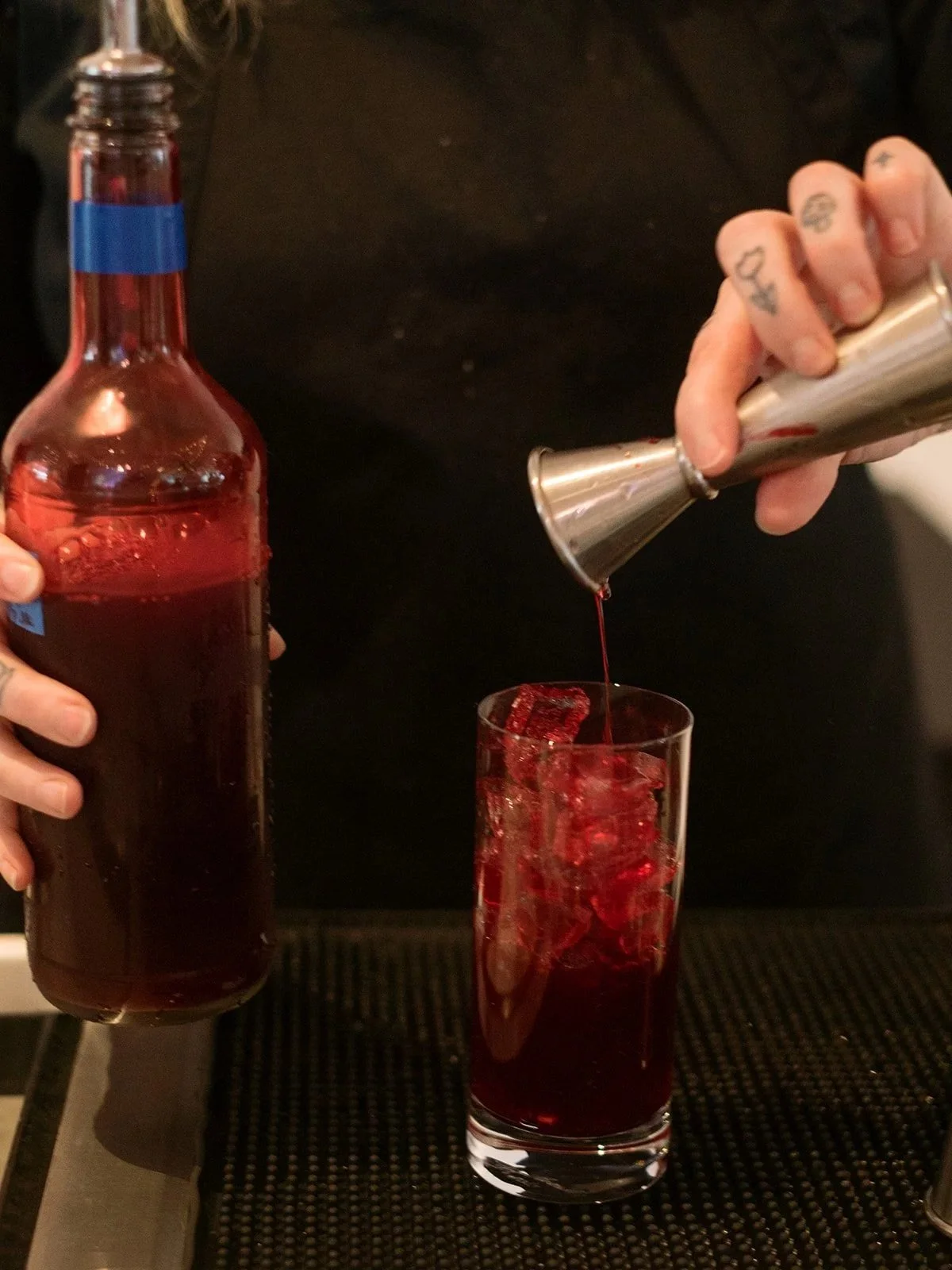
We also looked for opportunities to celebrate seasonal ingredients in unexpected ways. One of our signature mocktails featured beets as the main ingredient, proving that refreshing, flavorful beverages don't have to rely on citrus or berries when they aren’t readily available. Root vegetables and seasonal produce can create colorful and interesting flavors while showcasing what's available locally, even during the colder months.
Were there any challenges or aspects you are most proud of?
Annie: This was the first time we'd tried this lunch concept, so we definitely learned a lot.
The biggest challenge was the speed of the buffet line. Looking back, we'd make a few adjustments, like chopping the vegetables into smaller pieces and offering a scoop of mixed seasonal vegetables instead of individual choices.
The live garnish garden was an absolute hit. Guests loved choosing their own edible flower, and it became one of the most memorable and photographed parts of the meal. We're already brainstorming ways to make that experience even more interactive and seamless next time.
One detail I'm especially proud of was the flow of the space. After guests built their wellness bowls, they naturally walked past the waste sorting station before sitting down to eat. It was a subtle design choice, but an intentional one. Instead of introducing waste sorting only at the end of the meal, we wanted people to think about waste before they even created it.
The response to the wellness bowl concept completely exceeded our expectations. Within just a few days of Cultivate, we had already received an inquiry from another client wanting to bring the experience to their own event. That's always exciting because it means these ideas can continue to ripple outward.
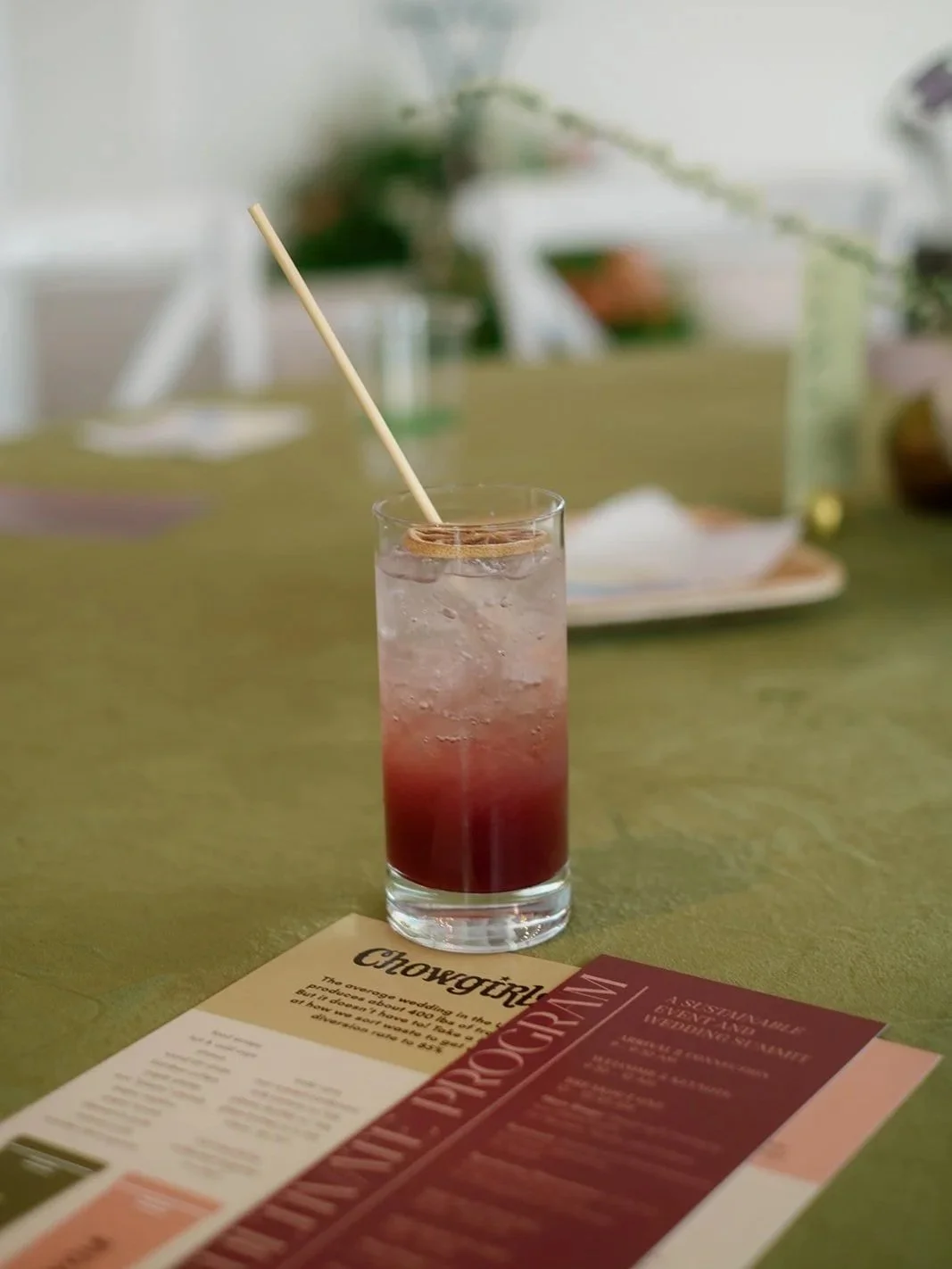
The beverage program had its own lessons, too. I tend to dream up some pretty ambitious ideas, and occasionally I have to let one go. This time, I had wanted to serve the mocktails with gluten-free pasta straws. I thought they would be such a fun conversation starter and a creative alternative to compostable plastic. My goal is always to make sustainability feel inspiring and, honestly, a little bit cool.
After working on the logistics, though, we realized the pasta straws came with a very high minimum order. In the end, the more sustainable choice was to use the reed grass straws we already had in inventory. It was a great reminder that sustainability isn't always about finding the newest product; sometimes it's about thoughtfully using what you already have.
Looking back, I'm incredibly proud of how the beverage experience came together. Guests were genuinely excited about the seasonal mocktails, and they received glowing reviews throughout the event. We love that beverages can be so much more memorable than the standard and become part of the experience itself.
How did you incorporate other vendors and caterers into the event?
Ashleyn Przedwiecki: While Chowgirls was our primary catering partner for Cultivate, it was important to us to showcase the incredible community of food businesses leading the way in sustainable hospitality. One of our goals for the event was to demonstrate that there are so many thoughtful, values-driven caterers and makers who can help create a memorable experience.
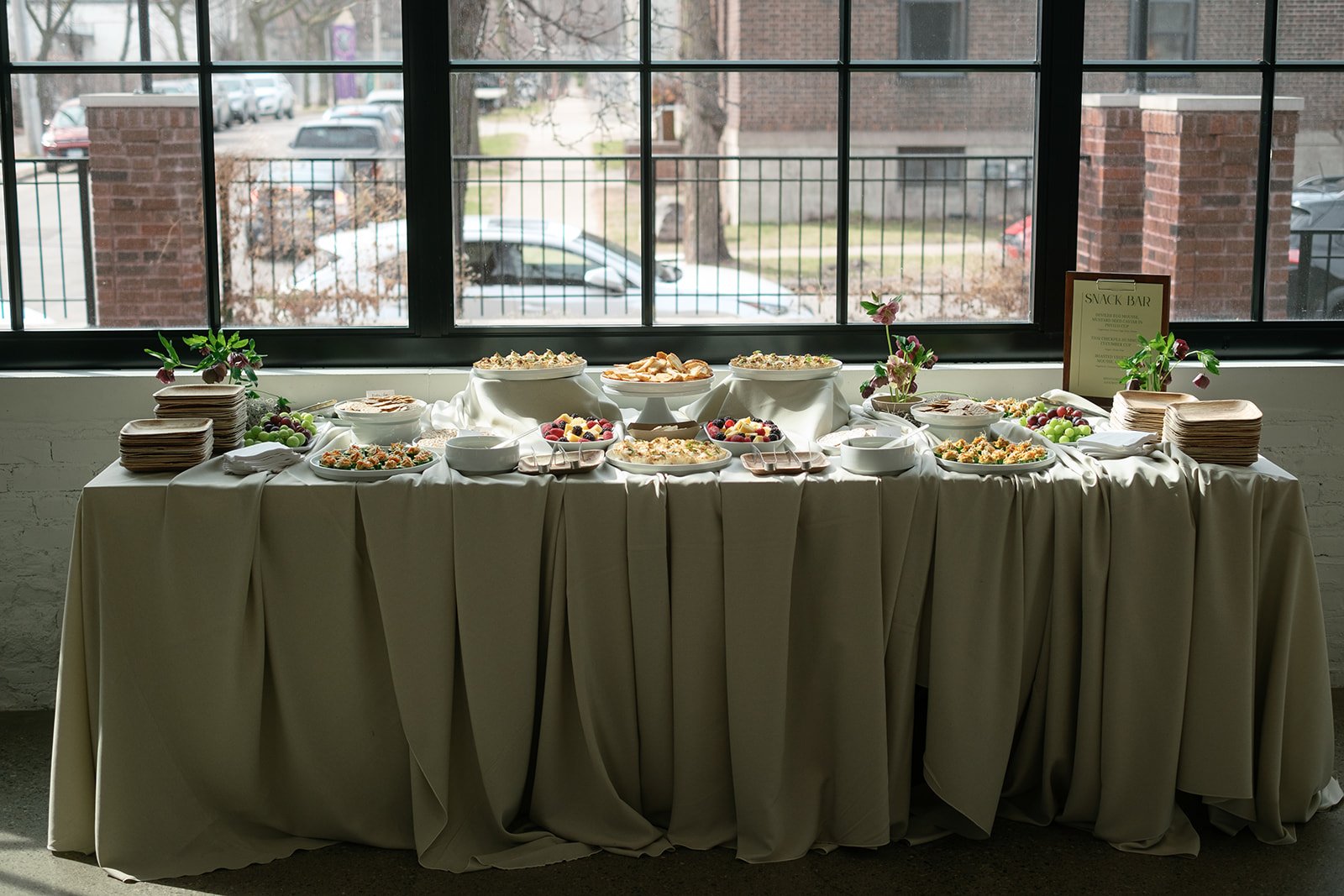
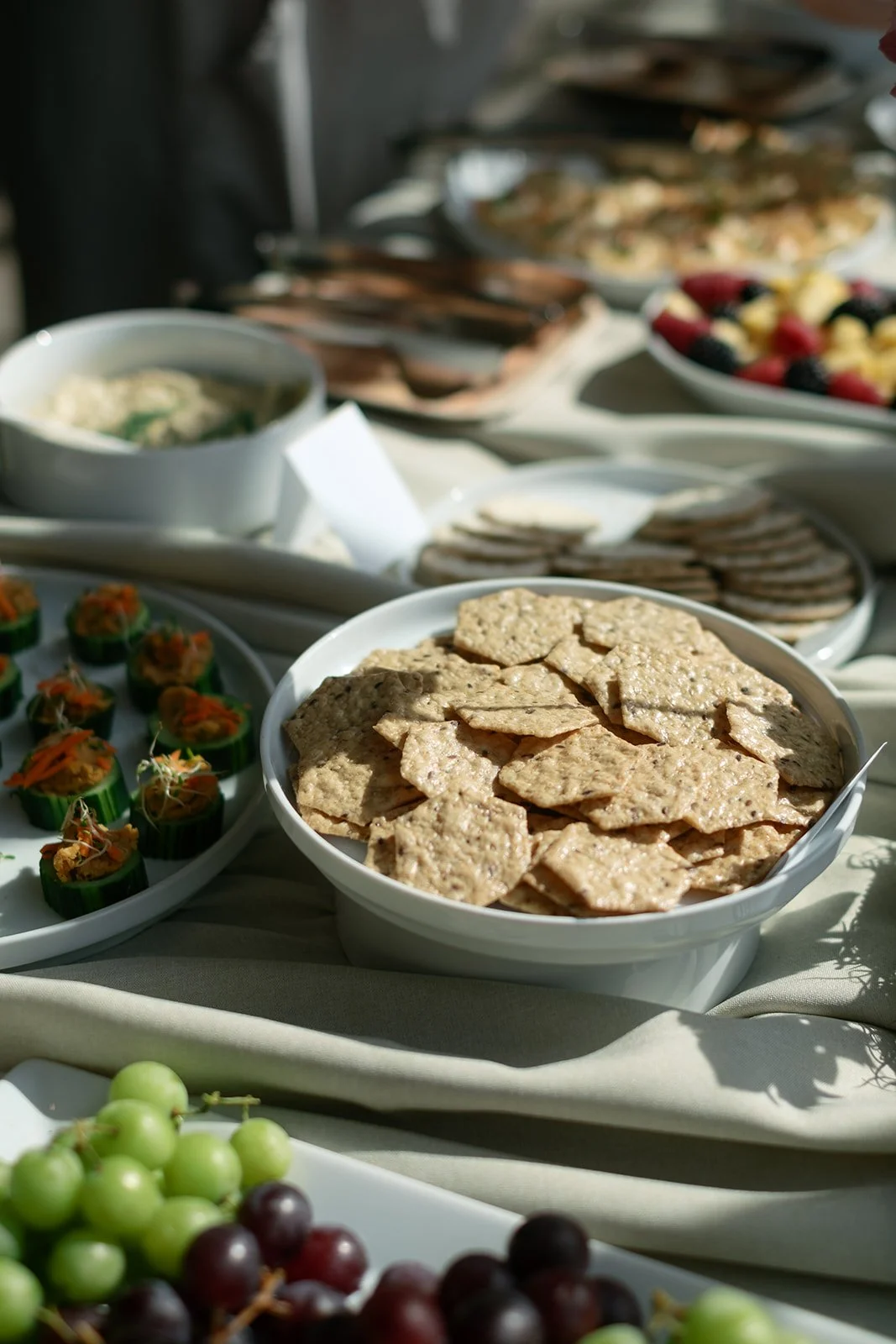
That's why we partnered with Gastrotruck to design the café snack experience. Since the snack bar was located within our café lounge, we worked with Catherine to imagine what it might feel like to stumble upon a charming café garden tucked inside the event. Together, we curated a display that felt inviting and relaxed.
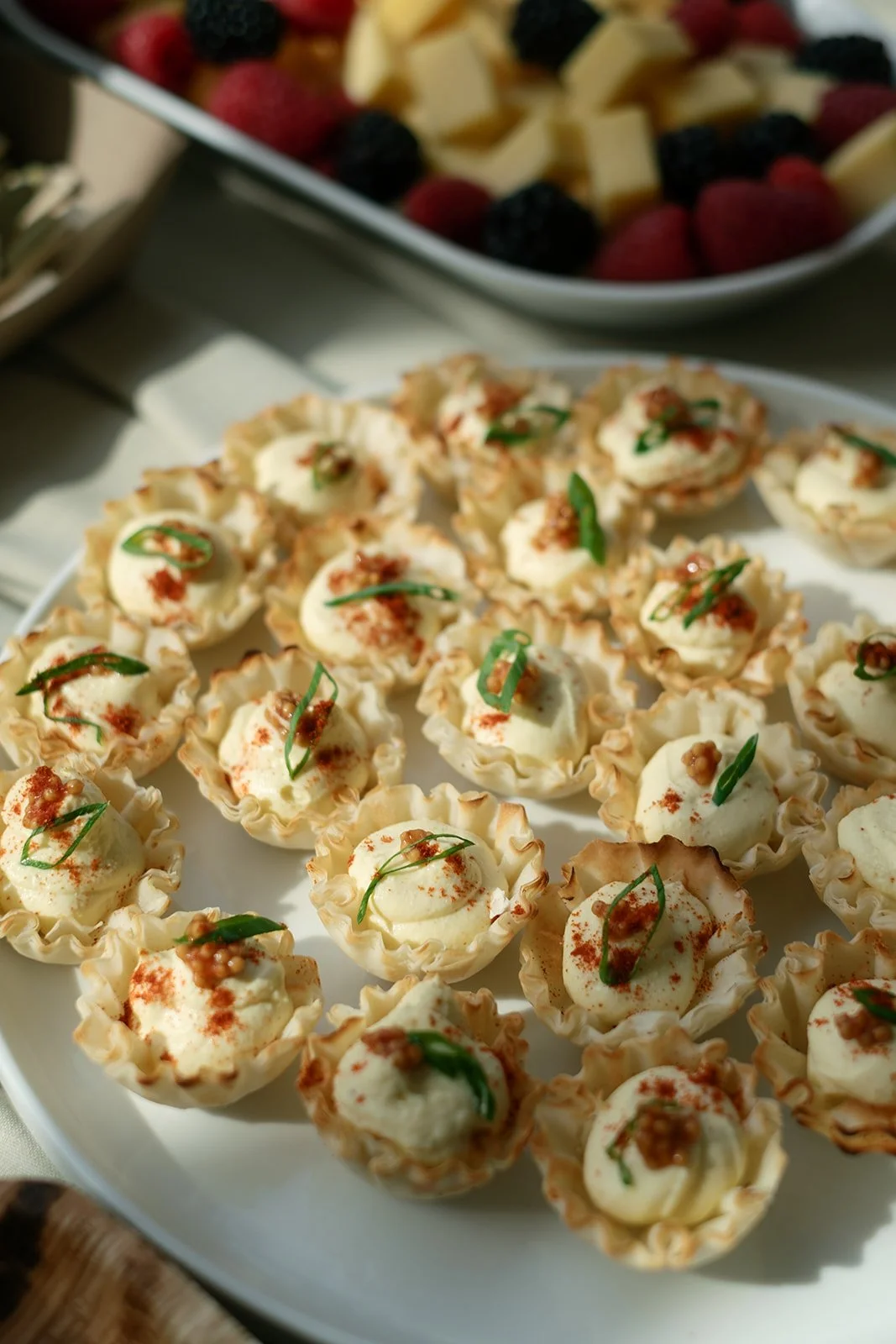
She created a beautiful selection of bites for every appetite, including vegan and vegetarian options, alongside fresh fruit and locally sourced cheeses from Minnesota farms. Celebrating the incredible ingredients and producers right here in our region!
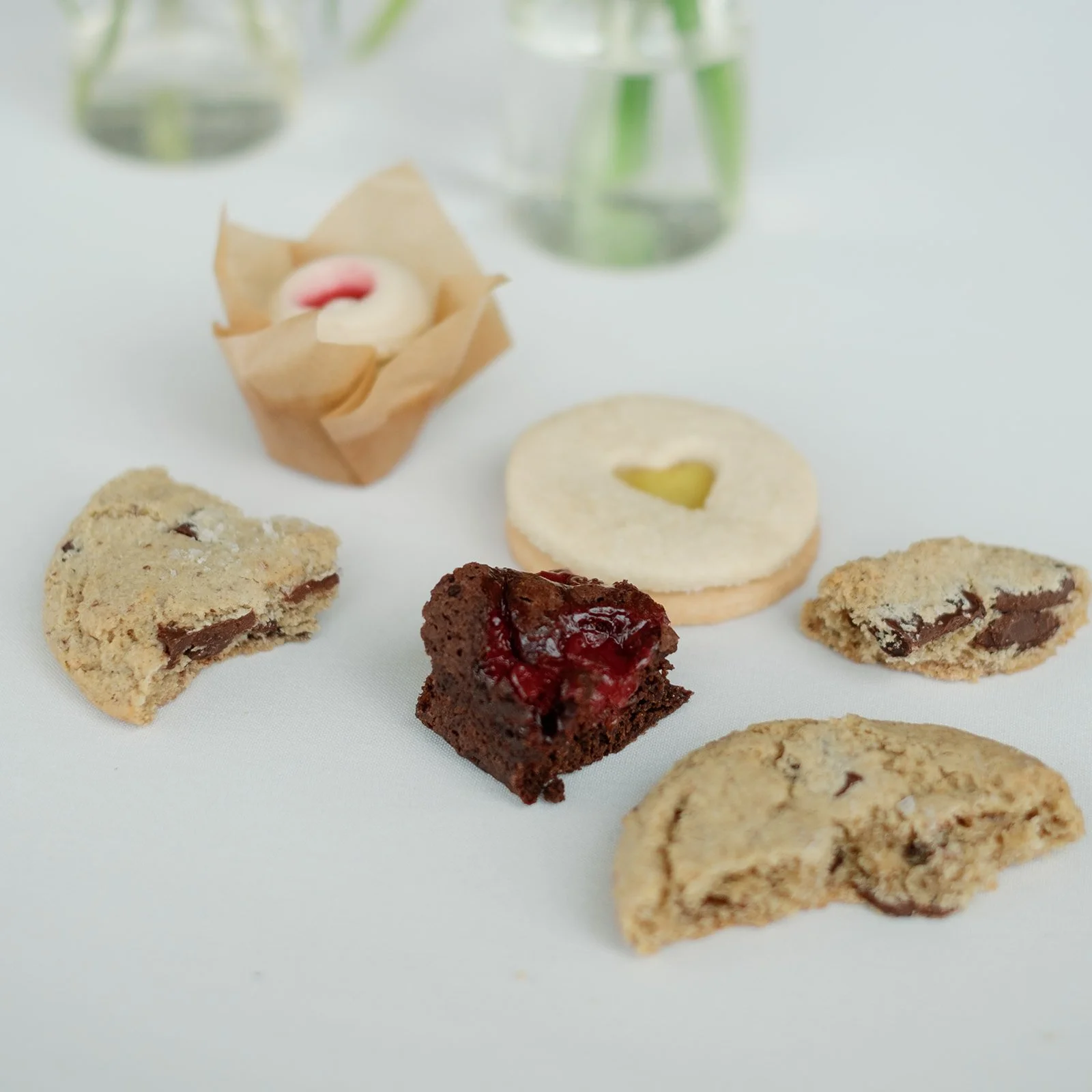
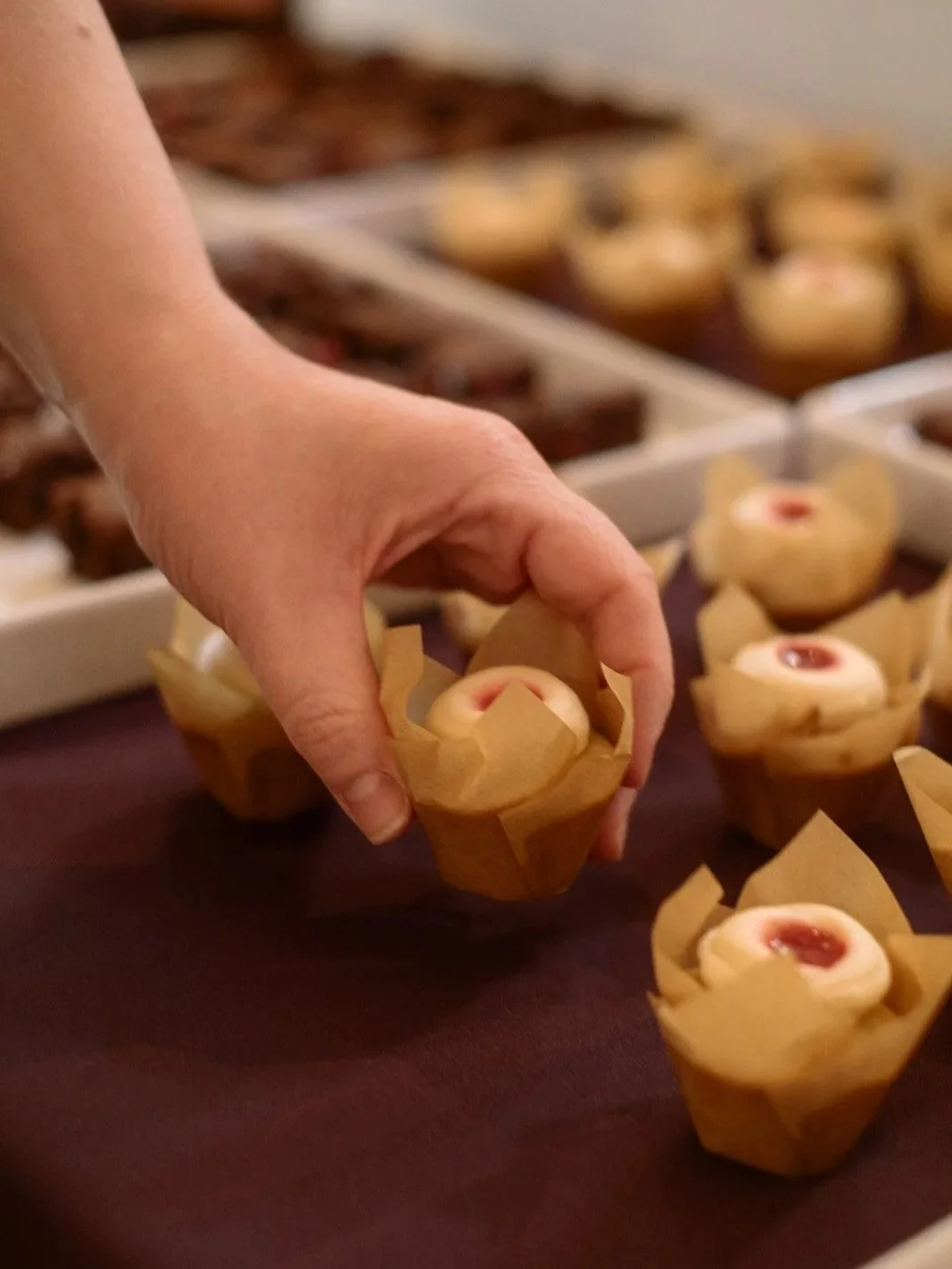
Hark Bakery: Mini Cupcakes & Lemon Curd Cookies
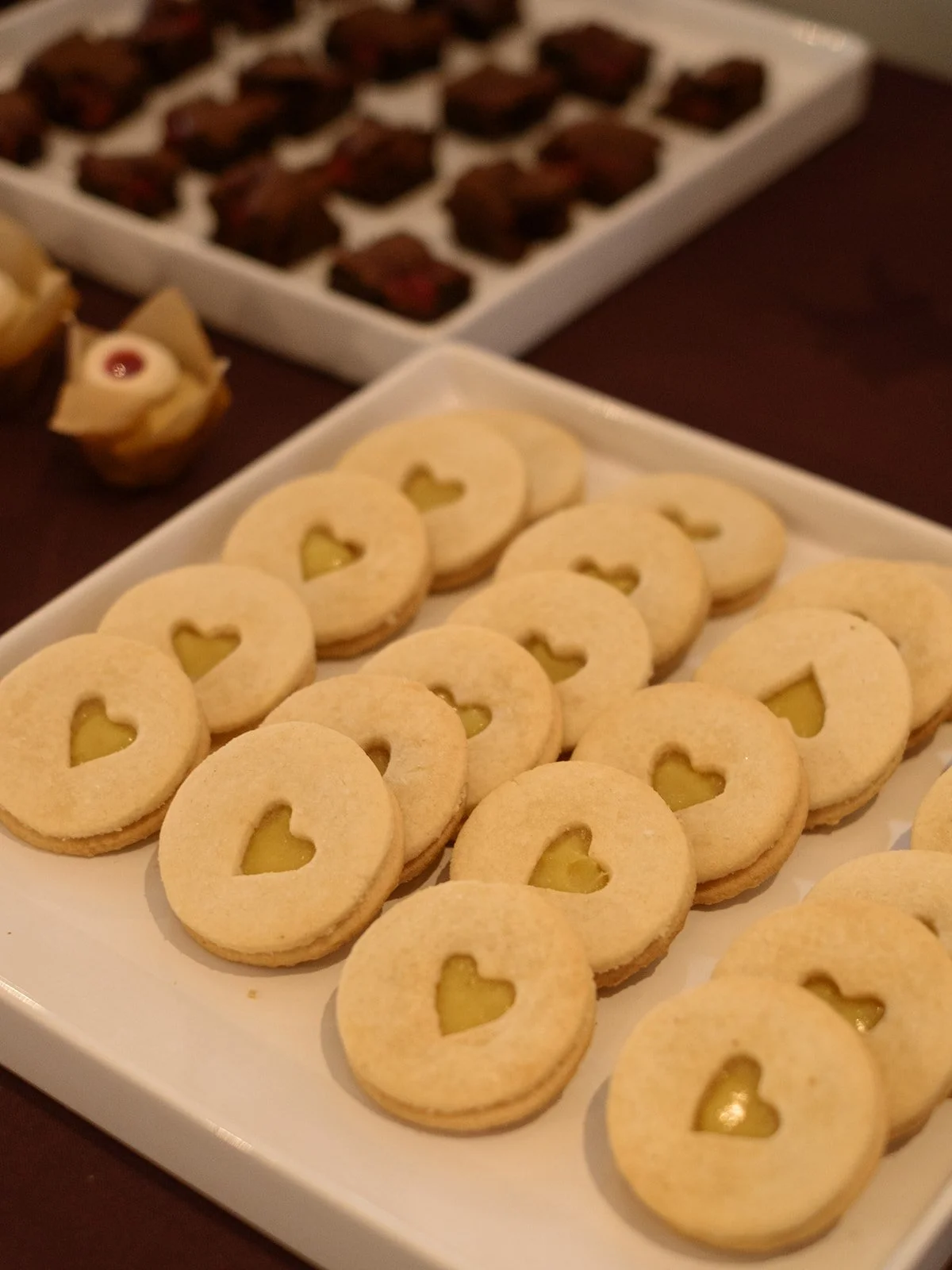
Reverie Cafe: Cherry Brownies & Buckwheat Cookies
Ashleyn: One of my favorite sustainability strategies is incorporating fully vegan offerings somewhere in the event, whether that's through appetizers, desserts, or a snack station. More often than not, guests don't even realize that meat and dairy aren't included in the ingredients. I love hearing, “Wait, this is VEGAN?”
The best part? There are so many incredible vegan caterers and bakeries creating beautiful food that choosing plant-forward options no longer feels like a compromise. It feels like an opportunity for us to show off what is possible when you are thinking more inclusively.
If you're looking to experiment with this at your next event, two of our favorite local partners are Hark Bakery and Reverie. Hark specializes in both vegan and gluten-free baked goods and operates in a dedicated celiac-safe kitchen, making it an incredible option for creating an experience where guests with dietary restrictions can feel fully included and not like an afterthought.
Event Partners
Annie Pennings Edmund - Cultivate Co-producer, Food & Beverage Design, Chowgirls
Ashleyn Przedwiecki - Cultivate Co-producer, Program Design Manager, LUUM Collective
Ashley Wright Slegers - Photographer, The Coe Collective
Catherine - Gastrotruck Catering, Snack Sponsor
Hannah Ampe - Minne Floral Co, Floral
Jennae + Elliot Saltzman - The Whim, Venue sponsor
Benjamin Van Sistine - Versus Experiential, Sound & AV
Emily Peter - Apres, Linens & Rentals
Myra Patterson - Rison Design, Lounge & Rentals

